
Gil Even-Tsur AIA
“The value of precast technology lies not in its ability to produce buildings more quickly, but in its ability to bring architecture and construction closer together.”
Precast concrete is often discussed in terms of efficiency. Faster construction, improved quality control, reduced site labor, and greater predictability are all significant advantages. Yet to define precast solely through these practical benefits is to overlook its architectural potential.
At its best, precast is not merely a method of construction but a way of thinking about buildings. It encourages discipline, clarity, and a close relationship between design and making. Decisions that are often deferred to the construction site must instead be resolved early, bringing a level of rigor and certainty to the process that is increasingly uncommon.
This approach is as relevant to residential architecture as it is to large industrial or commercial projects.
The common perception that prefabrication leads to repetitive or anonymous buildings is largely a misunderstanding of the system. Repetition need not produce monotony. On the contrary, a carefully considered module can establish rhythm, proportion, and order. It can create buildings that feel calm, coherent, and enduring.
In residential architecture, precast systems offer the opportunity to combine efficiency with permanence. Homes can be constructed with greater precision while retaining a strong sense of materiality and character. The result is architecture that feels substantial and timeless rather than temporary or disposable.
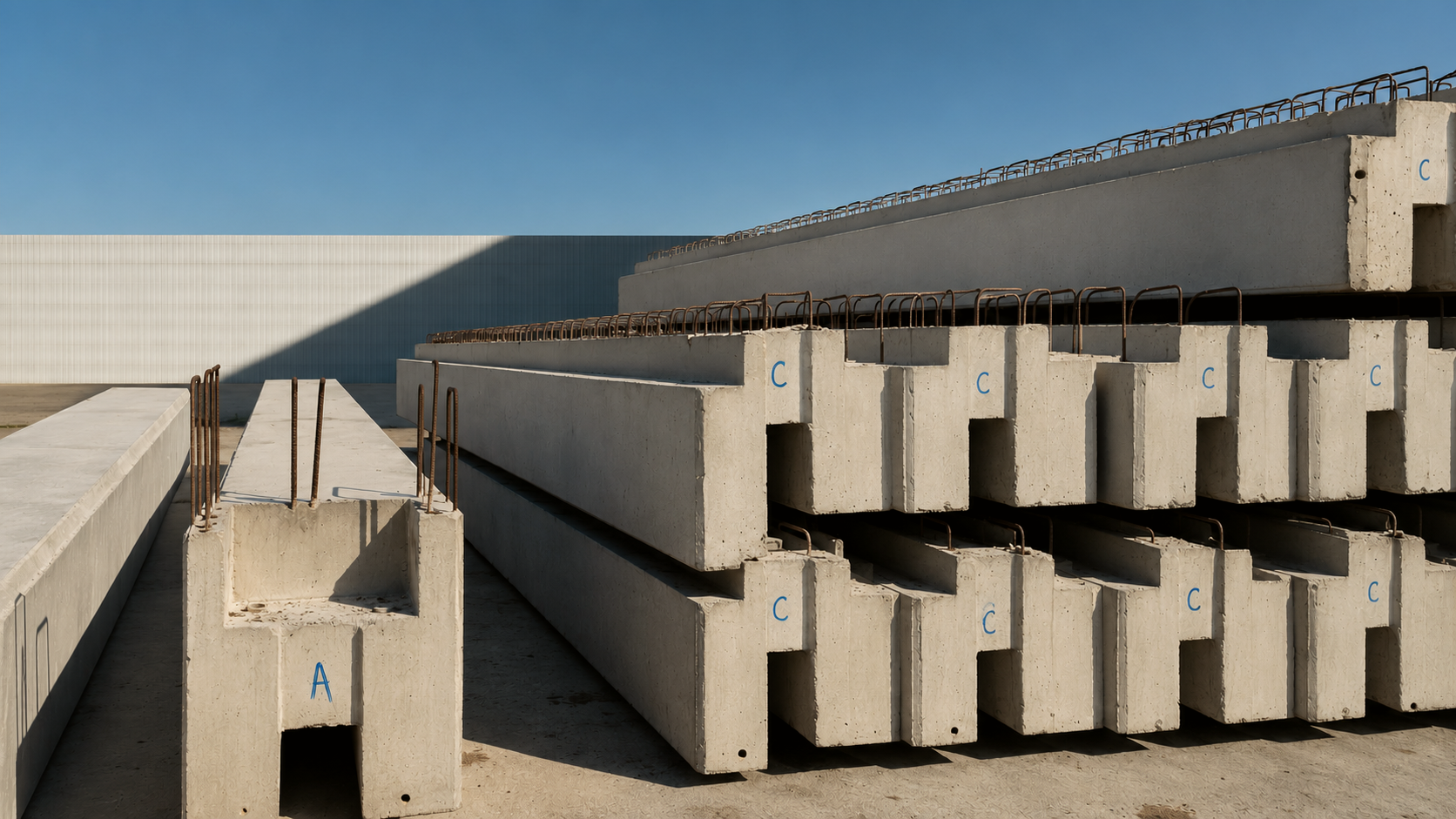
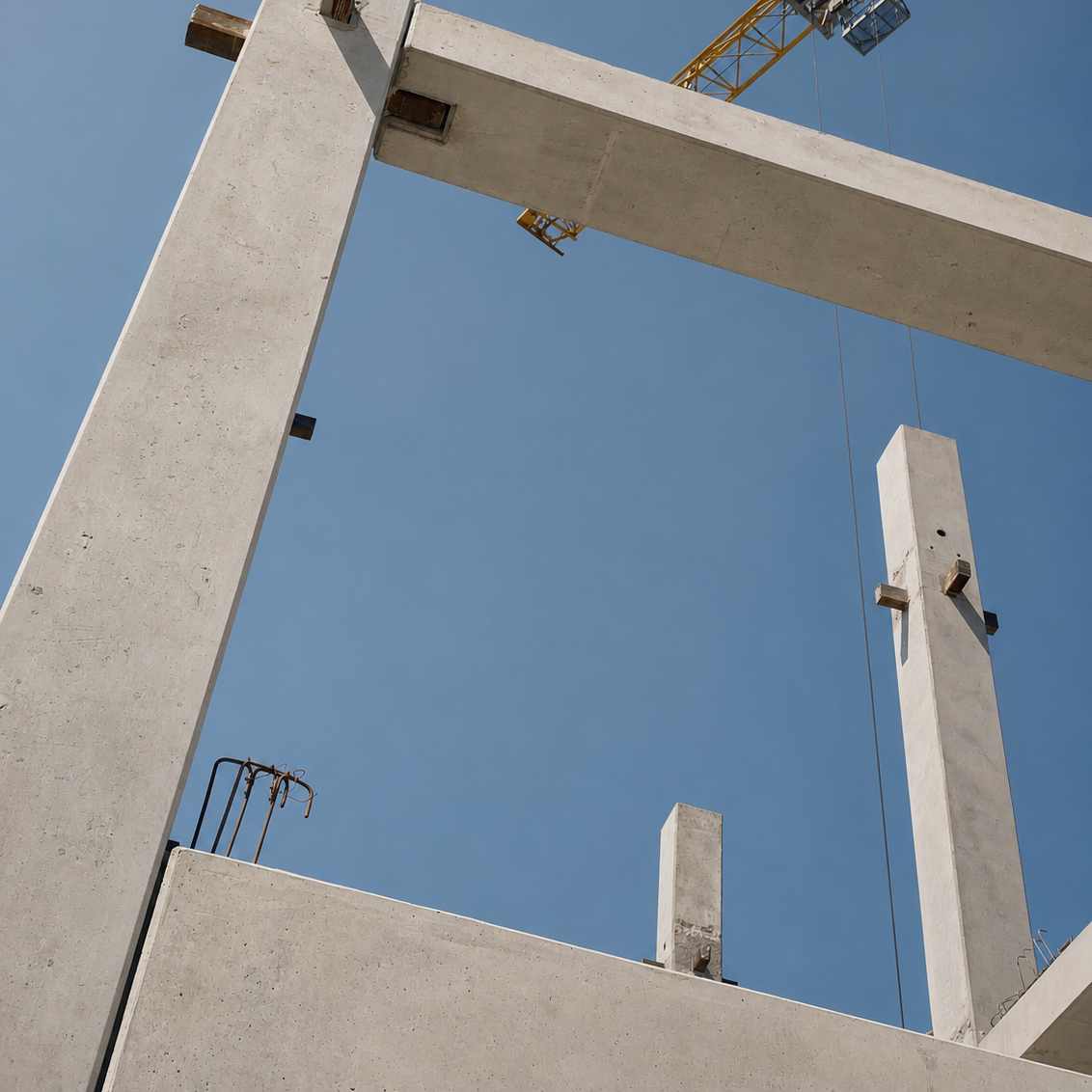
In a recent research center designed for a high-tech company, a single precast module was used to organize the entire building. The repetition of the element established both the structural logic and the architectural identity of the project. Light, structure, and enclosure became part of the same language. The system accelerated construction and improved quality, but more importantly, it created a building with a clear and lasting presence.
The value of precast lies not in its ability to produce buildings more quickly, but in its ability to bring architecture and construction closer together. When approached thoughtfully, it offers a rare combination of economy, precision, and architectural integrity.
In an age increasingly defined by uncertainty, there is something profoundly valuable in building with clarity, permanence, and purpose.
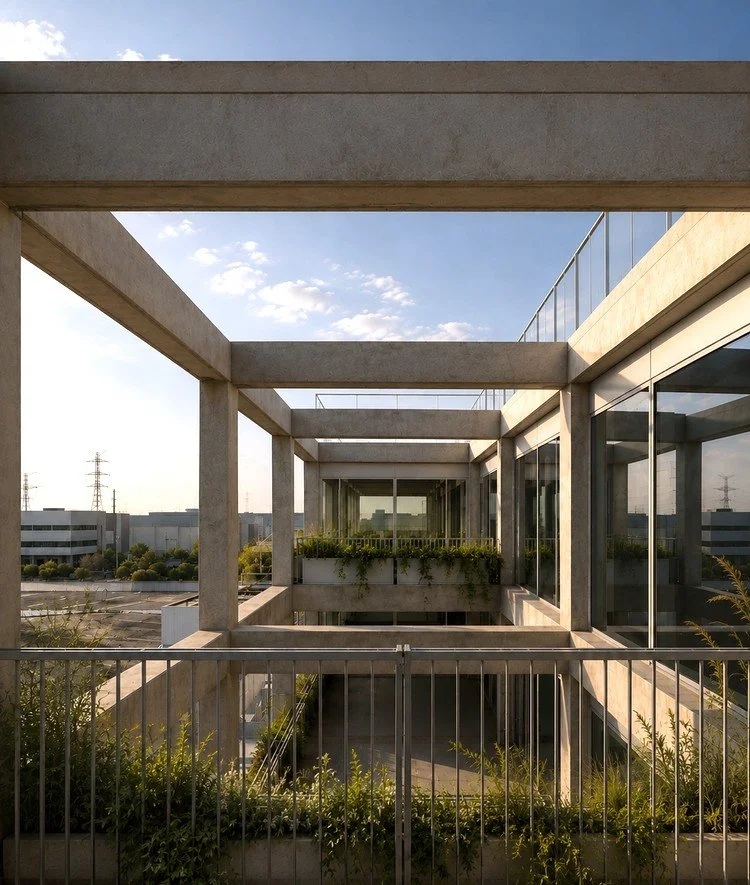
GE-t Architecture ©
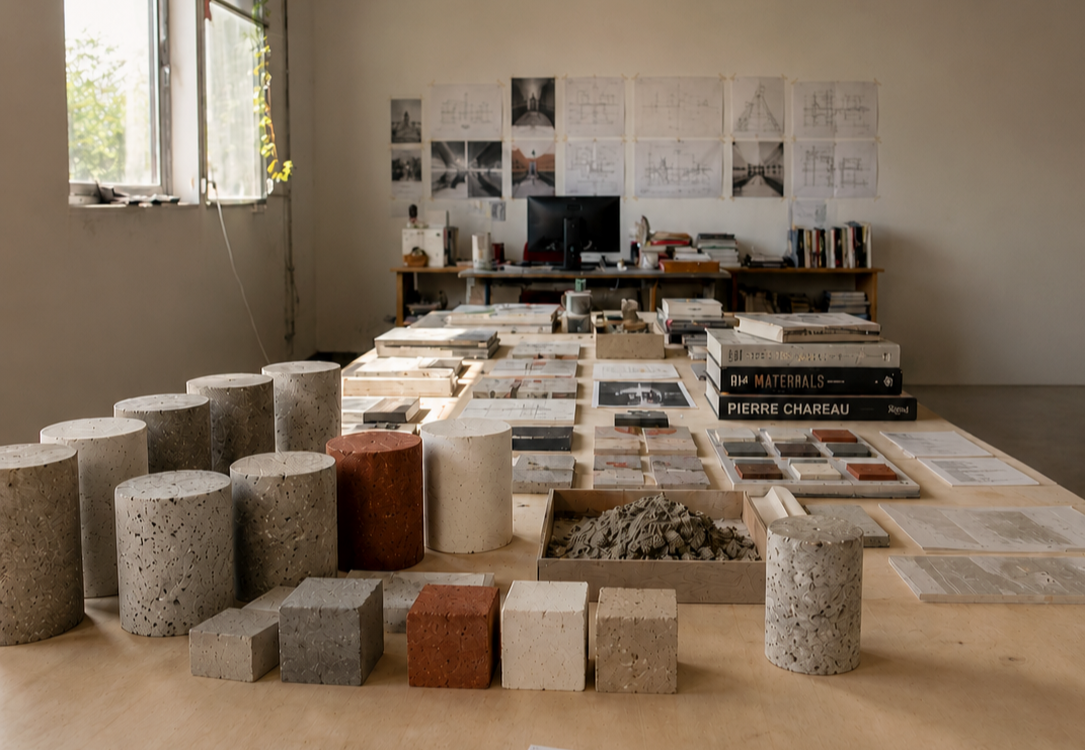
GE-t Architecture ©
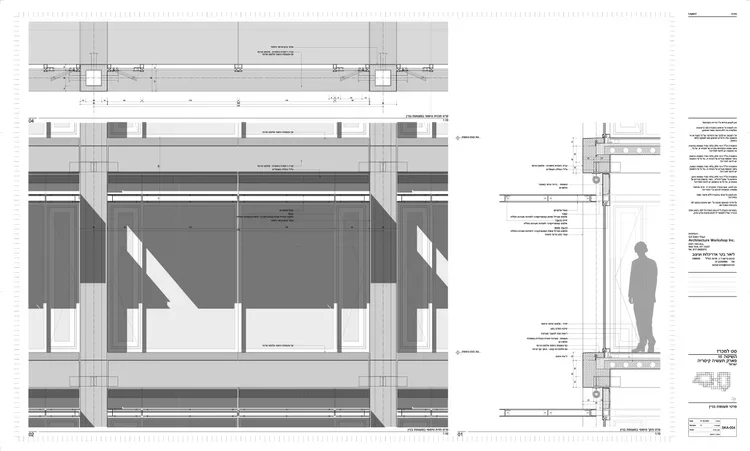
GE-t Architecture ©
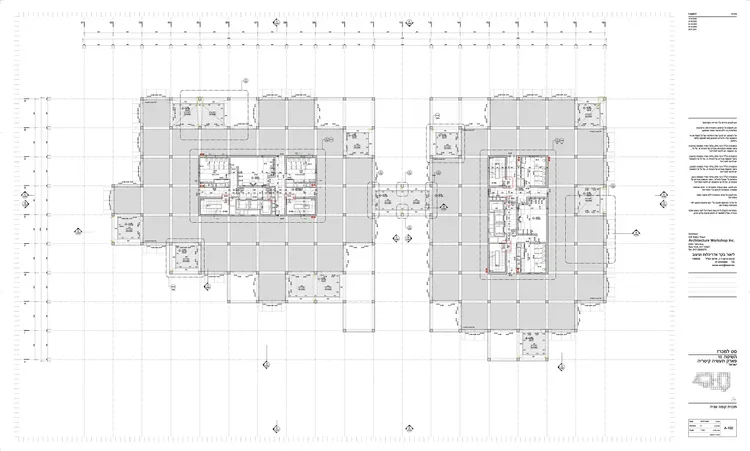
GE-t Architecture ©
GE-t Architecture ©
GE-t Architecture ©