
Gil Even-Tsur AIA
To visit Louis Kahn’s Yale Center for British Art is to be reminded that architecture need not rely on formal complexity to attain profound meaning.
Living in New York, I made countless weekend trips to New Haven simply to spend time in the building. It became less a museum to visit than a place to inhabit - a place to study, to reflect, and to experience how architecture, through its own means, can cultivate an extraordinary sense of calm. With every visit, its quiet spiritual presence revealed itself a little more.
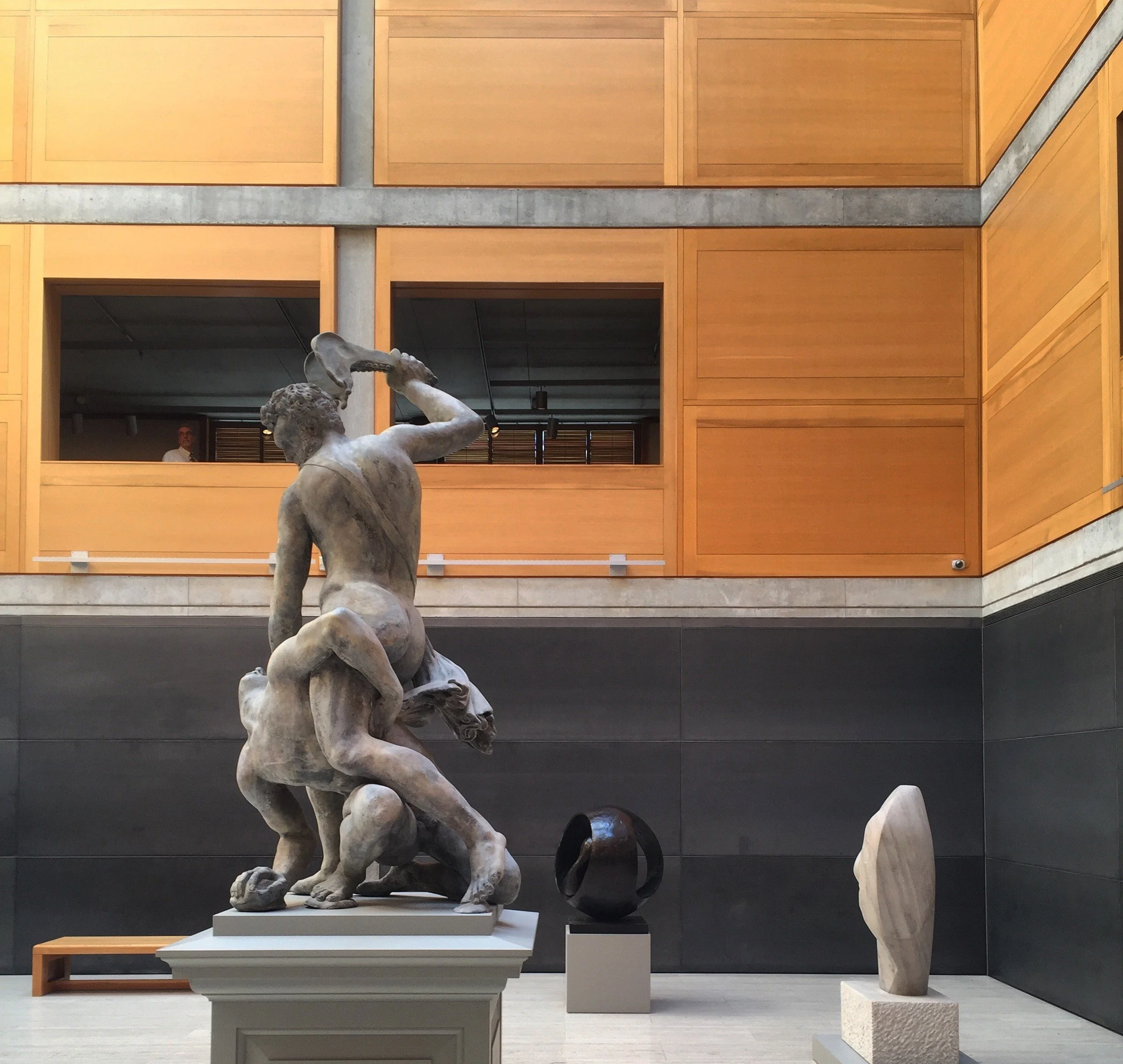
Photo by Gil Even-Tsur
The building is remarkably restrained. Its power emerges from clarity - of structure, of space, and of material- and from the conviction that these elemental conditions are sufficient to evoke an experience that is at once intellectual and deeply spiritual.
The building is conceived as a rigorous post-and-beam framework, a repetitive structural order whose measured rhythm establishes the architecture long before any program occupies it. Within this disciplined grid, panels of white oak, glass, and blackened stainless steel infill the structure with remarkable precision. Construction is never concealed; rather, each material is allowed to express its own character, texture, and weight. The tectonic order itself becomes the architectural language.
Arrival is intentionally compressed. One enters through a low, almost reticent street-corner entrance before emerging into the soaring central court, where daylight descends from above with extraordinary calm. The transition from containment to openness is almost liturgical. It is achieved not through spectacle but through proportion, light, and the careful orchestration of movement. The experience recalls Kahn’s conviction that architecture begins with silence and is fulfilled through light.
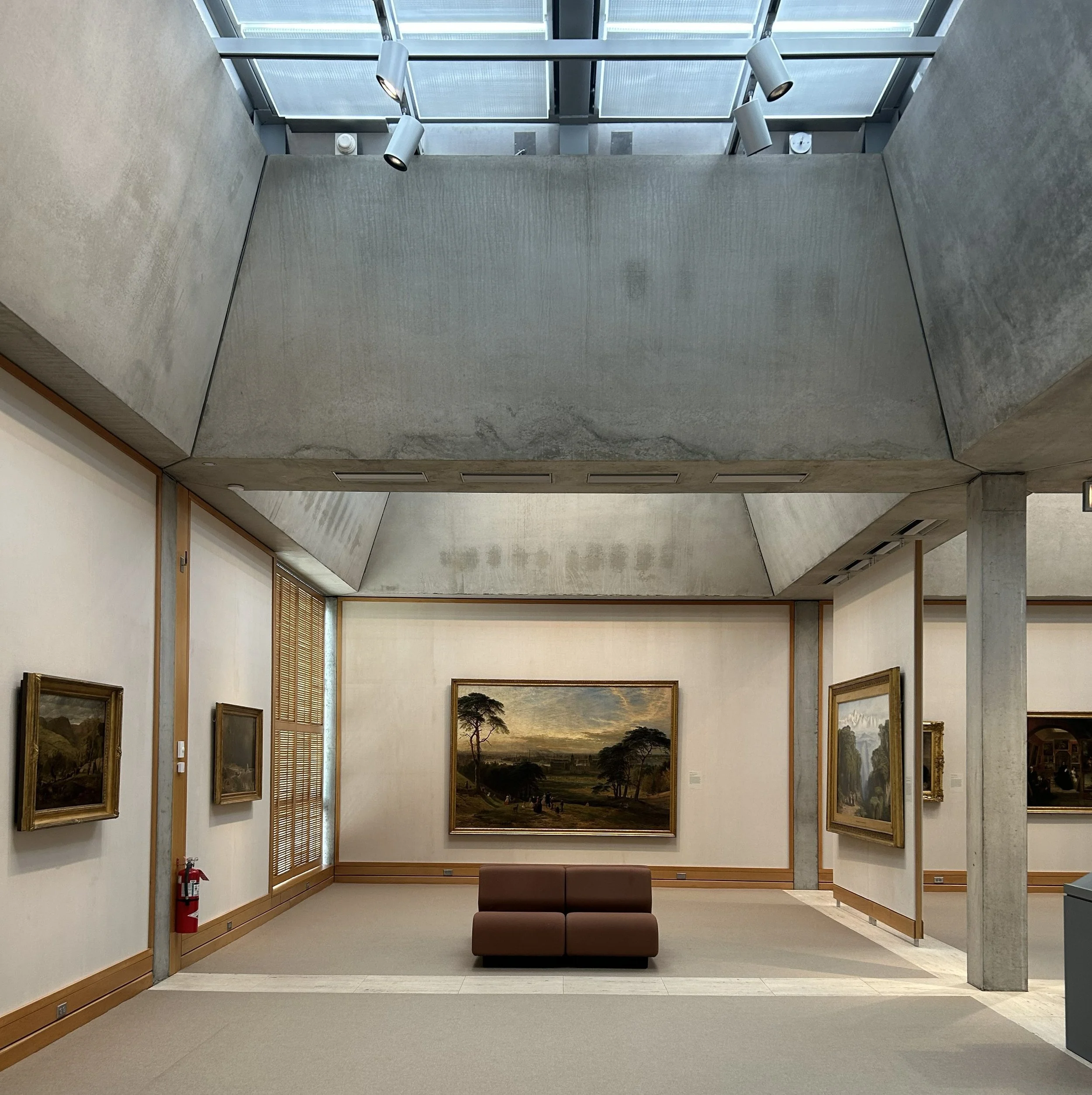
Around this luminous center, the galleries are organized as carefully proportioned volumes wrapped in warm oak. Their material density anchors the otherwise ethereal atrium, establishing a delicate dialogue between mass and void, enclosure and openness. Art, structure, and material become inseparable. One is never entirely certain where the exhibition ends and the architecture begins.
What remained most compelling throughout my many visits was the building’s quiet consistency. It never sought attention, yet each return revealed another subtle relationship between light and shadow, structure and enclosure, material and proportion. It is a building that rewards patience rather than novelty, contemplation rather than consumption.
In an age increasingly preoccupied with image, the Yale Center for British Art offers a different lesson.
It demonstrates that the deepest architectural experience may arise from discipline rather than expression, from permanence rather than novelty. Kahn transforms an elemental structural system into an architecture of quiet transcendence, where light gives measure to matter and construction itself becomes the vessel through which the spiritual dimension of architecture is revealed.
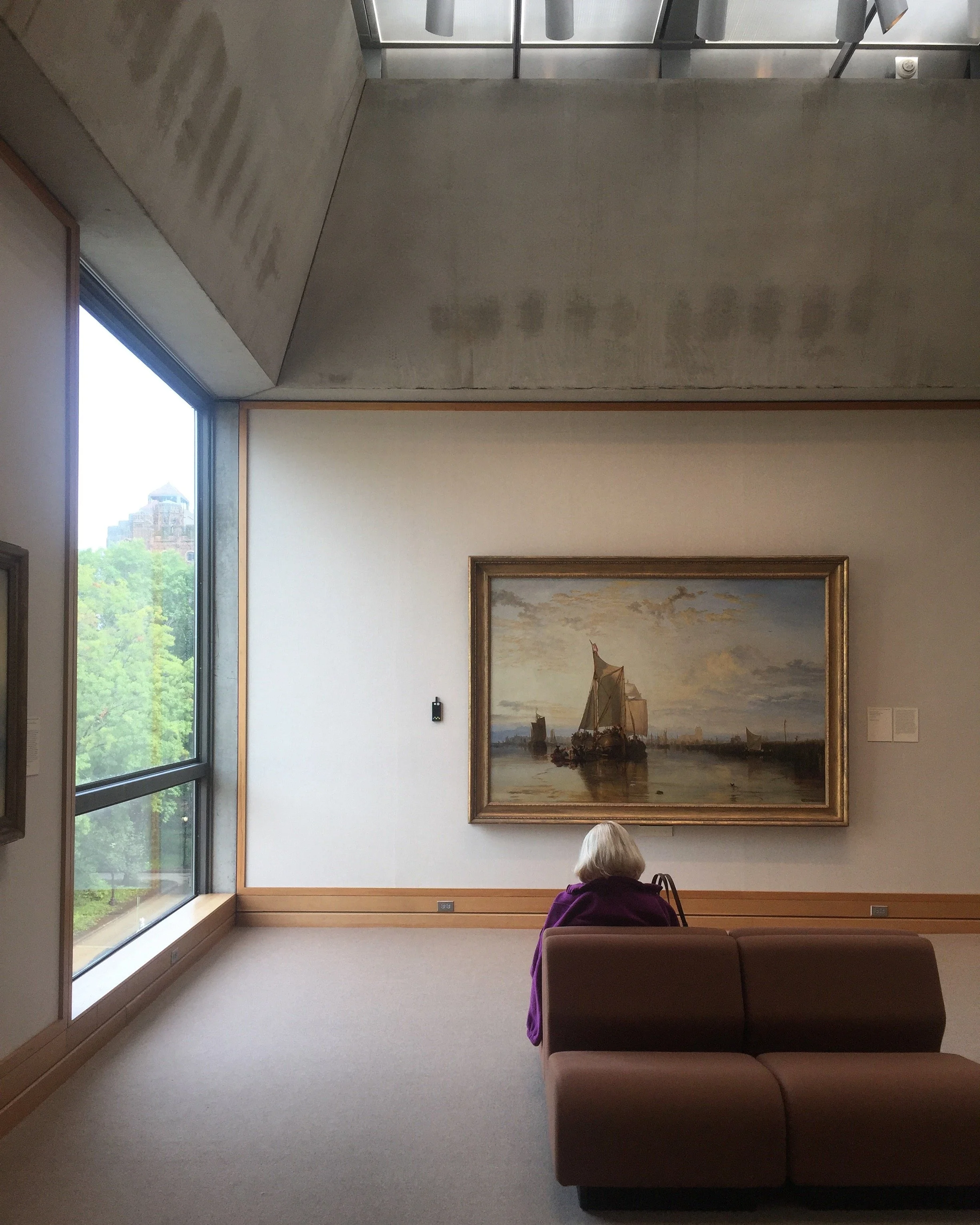
Photo by Gil Even-Tsur
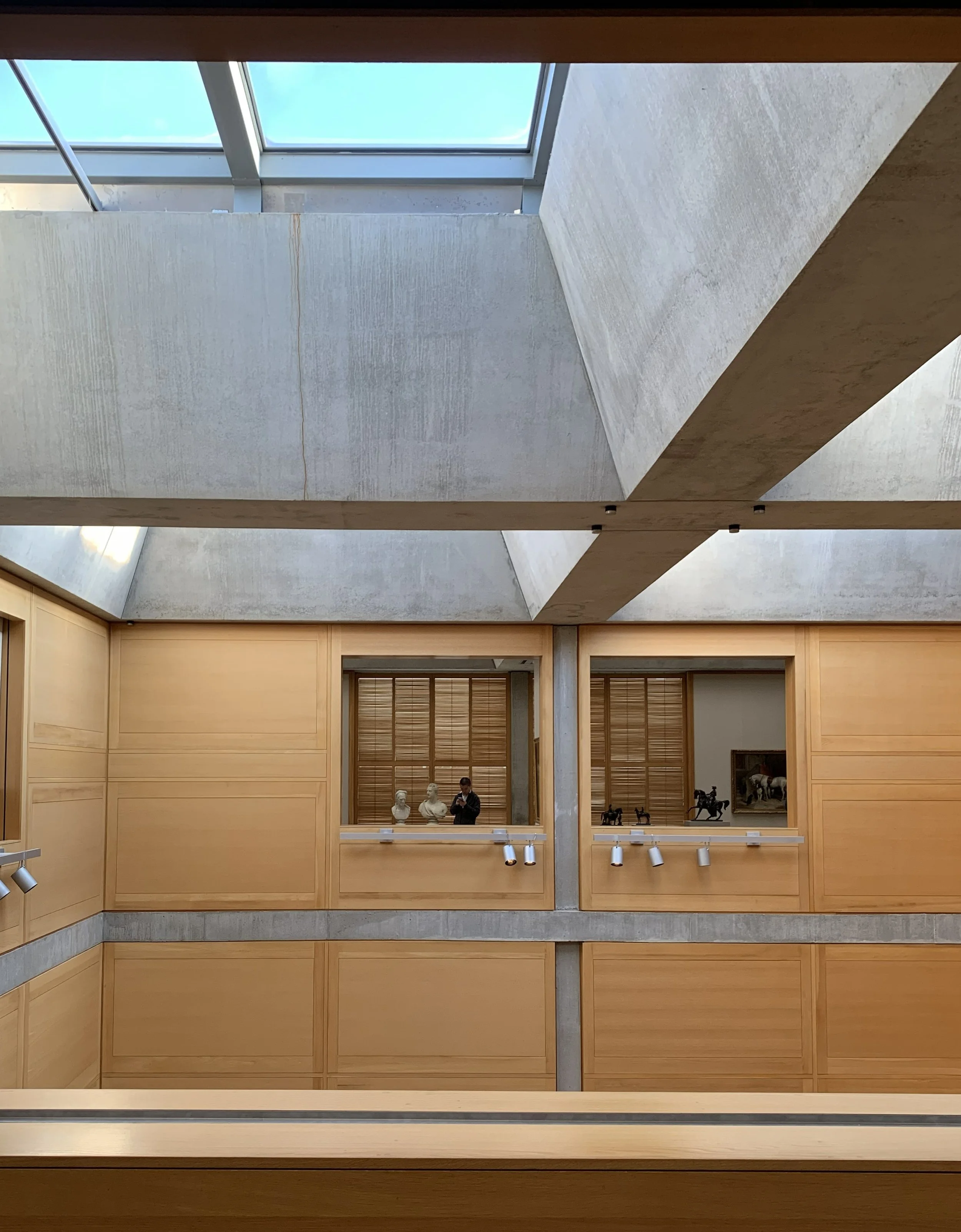
Photo by Gil Even-Tsur