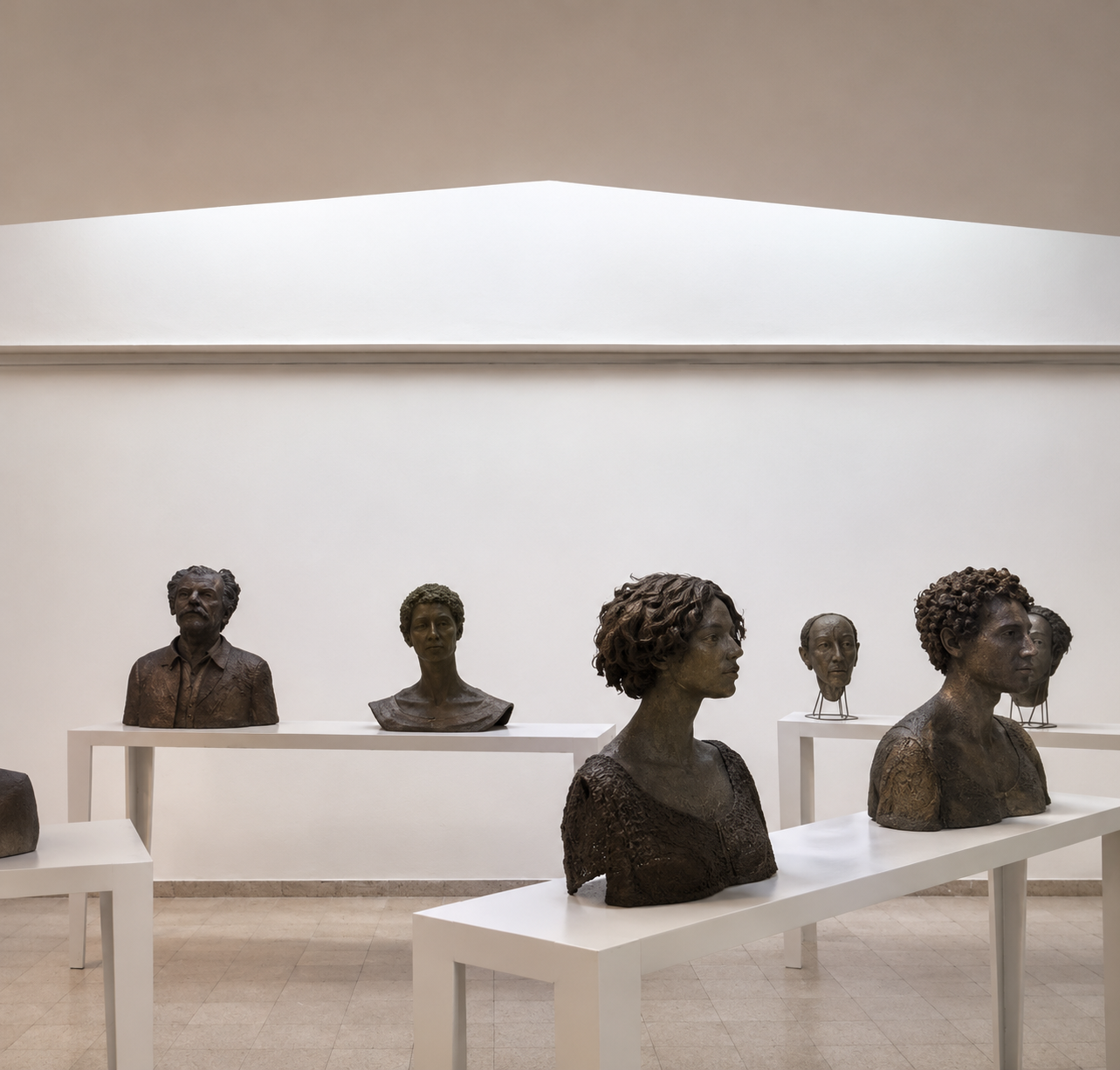
Text & Photography by Gil Even-Tsur
Over the years, during my summer visits to Israel, I have often returned to the Mishkan Museum of Art at Ein Harod. Entering its quiet, almost windowless galleries, away from the intense heat and brightness of the Israeli summer, has always offered a particular sense of refuge. Yet beyond the physical comfort, there is something more difficult to define. The building seems to preserve the atmosphere of an Israel that once existed, a society whose aspirations were expressed not only through what it built, but through what it considered worth building.
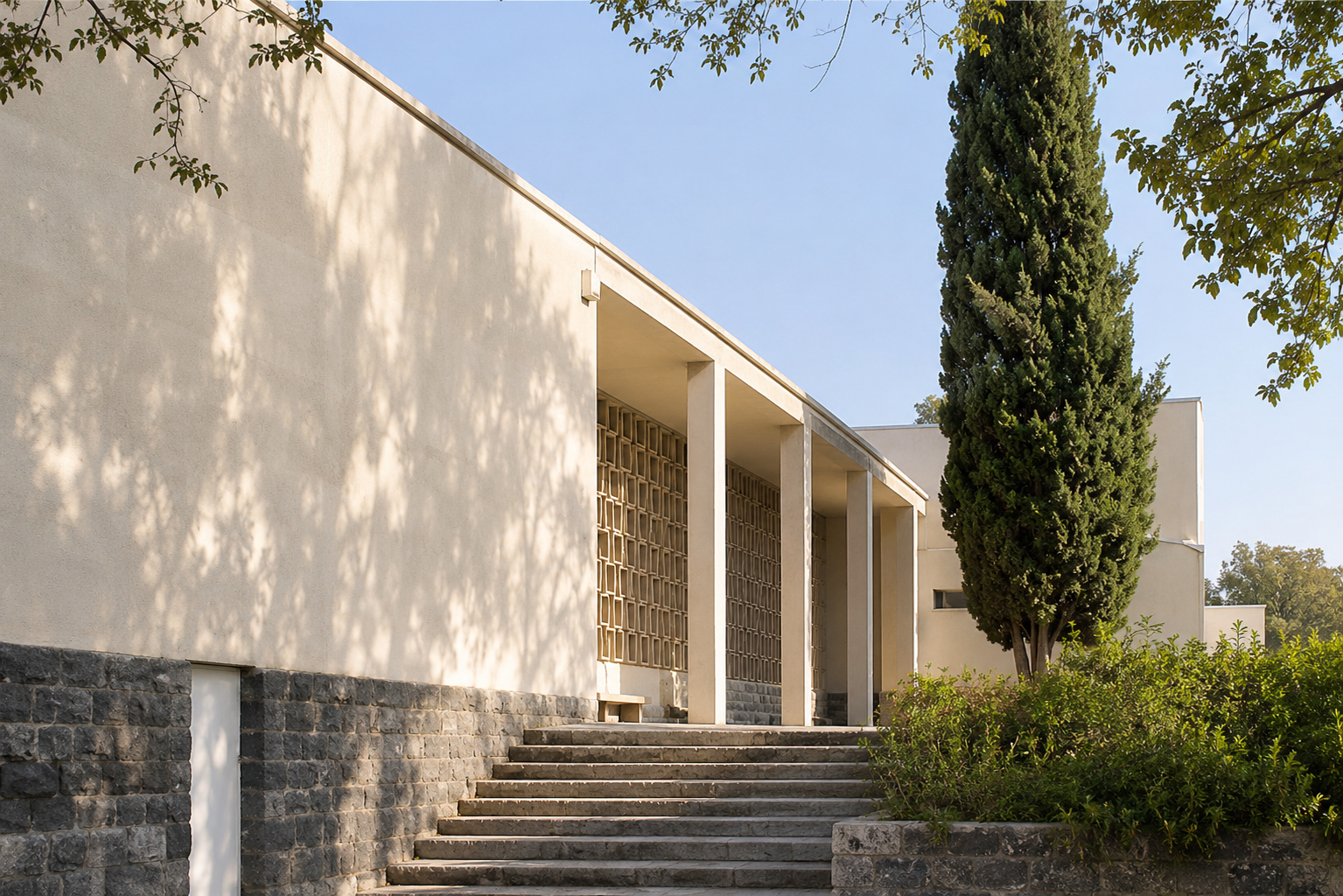
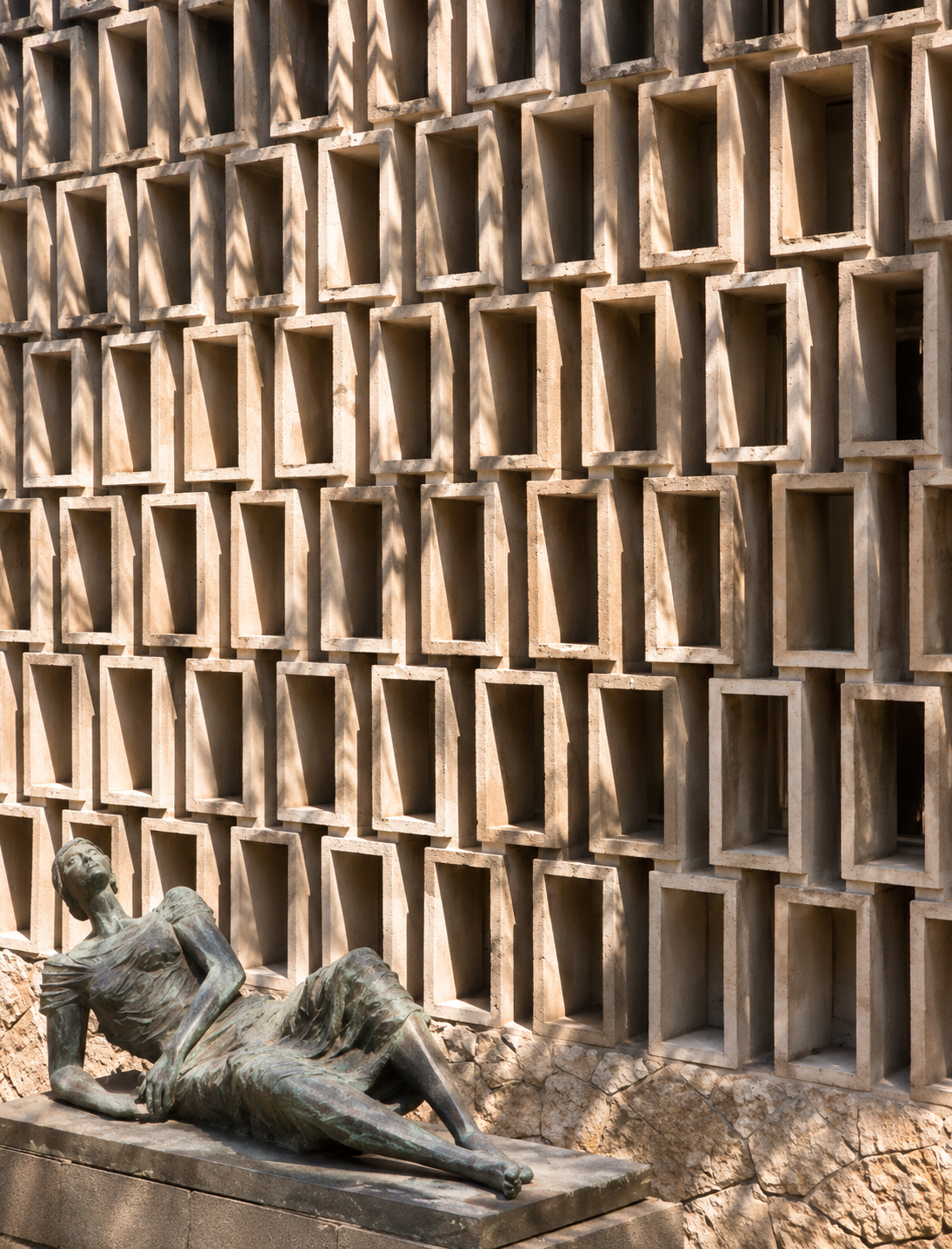
Founded in 1938 through the initiative of the artist and kibbutz member Haim Atar, the museum moved into its permanent home in 1948. Designed by architect Shmuel Bickels and developed gradually over the following decade, it emerged during a period of profound economic scarcity, when the young society was occupied with the most elementary demands of settlement, housing, and survival. Yet within these circumstances, a community chose to build a museum of art. It was an extraordinary declaration of cultural priorities.
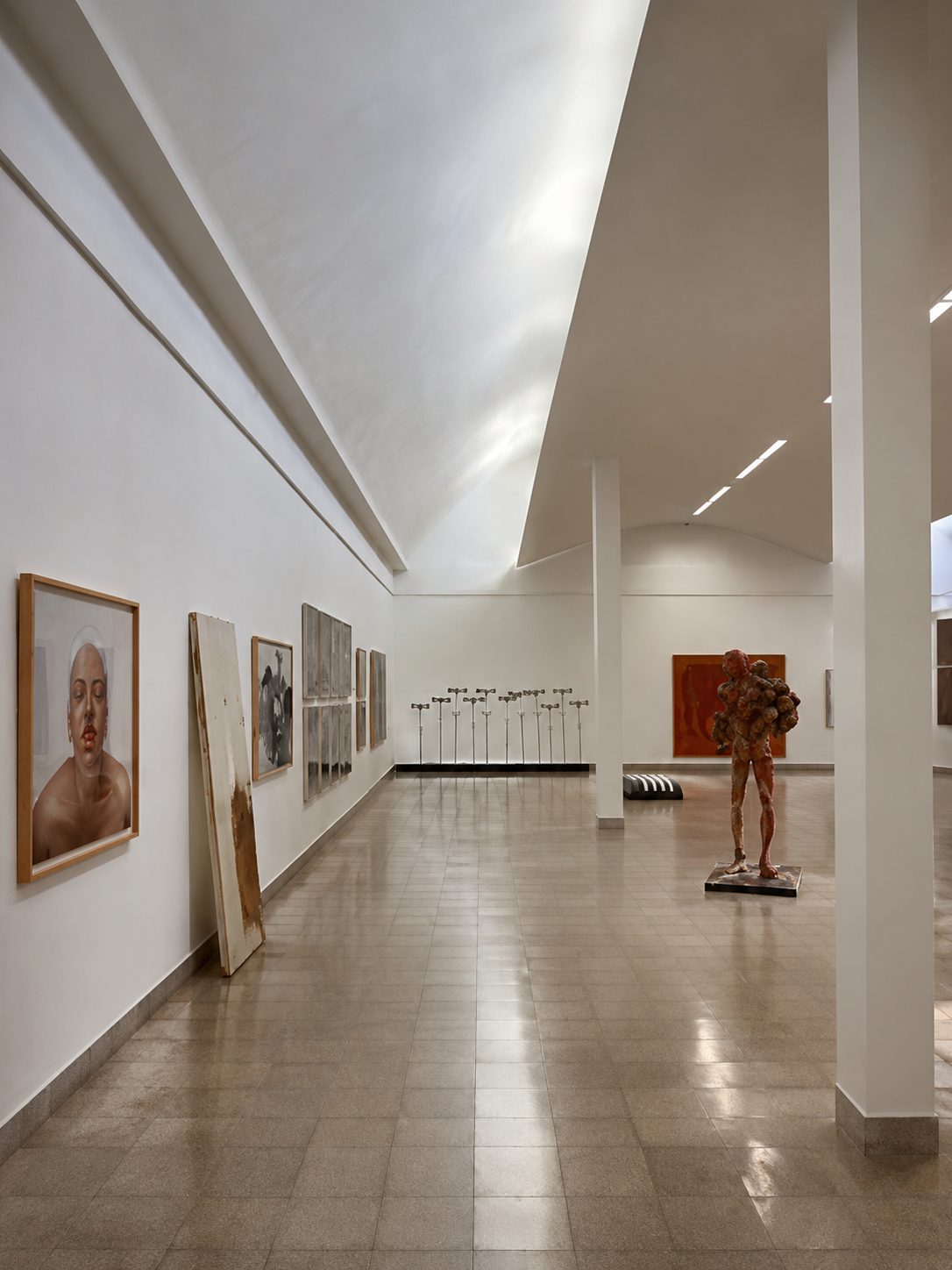
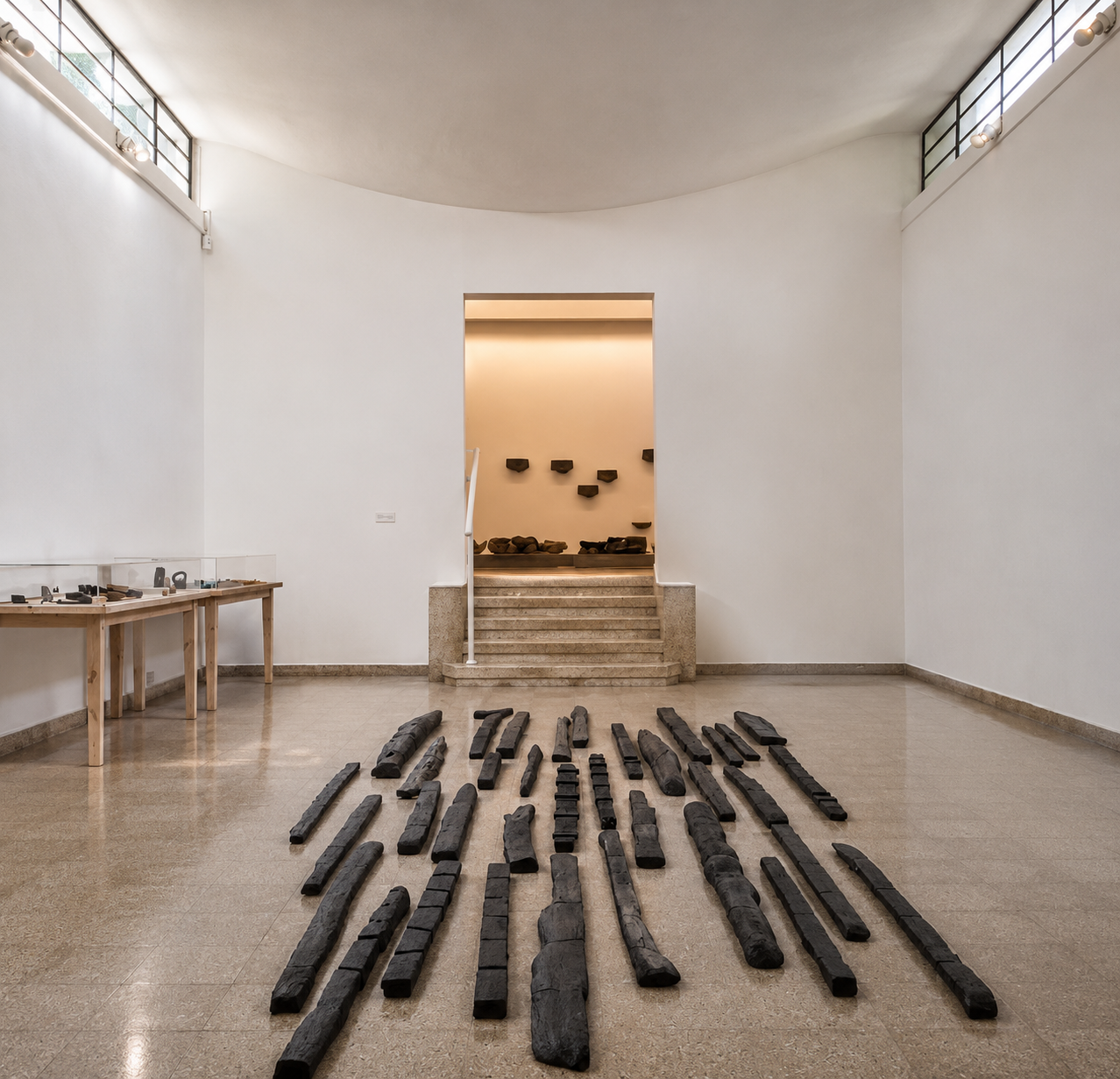
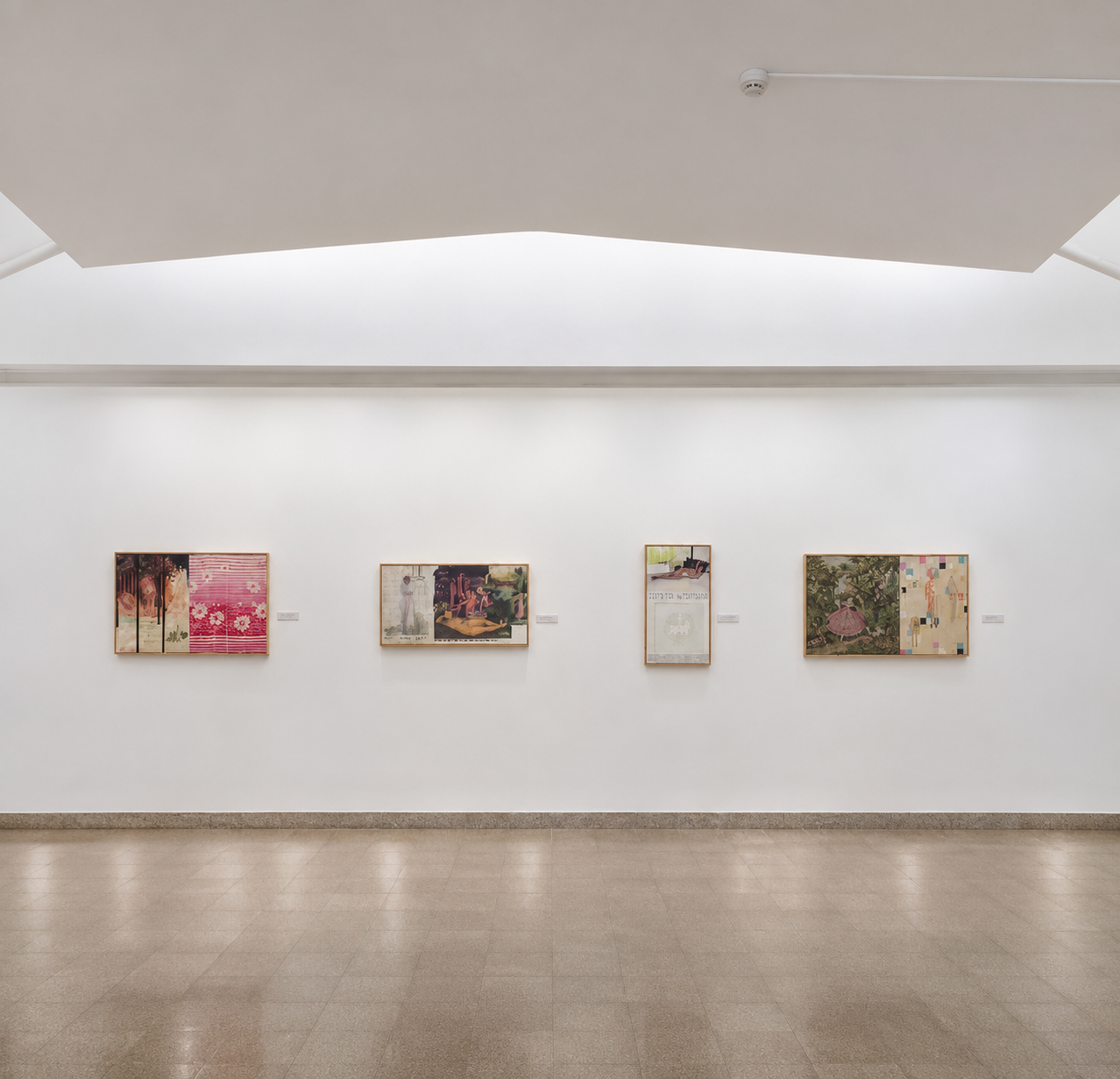
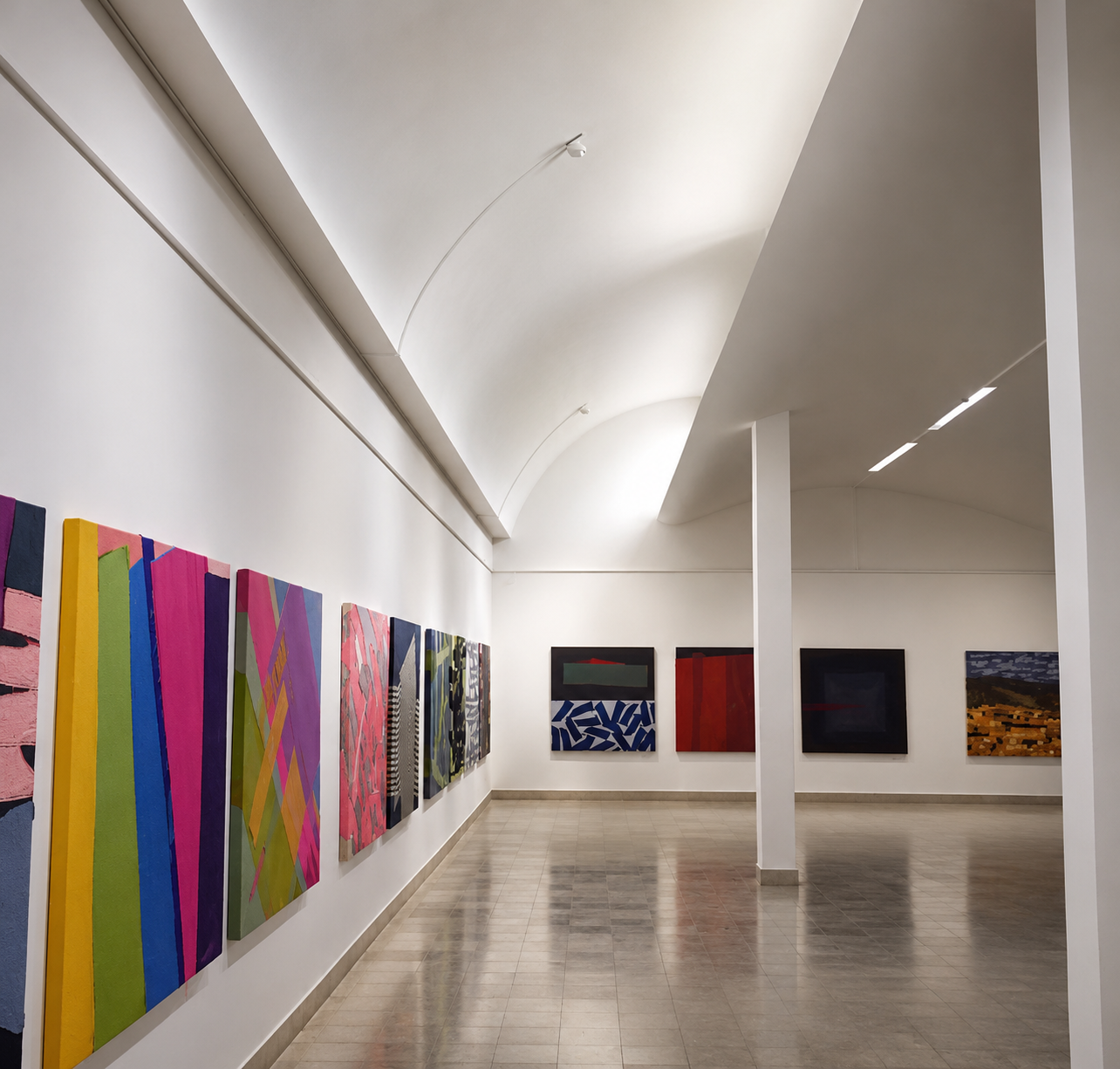
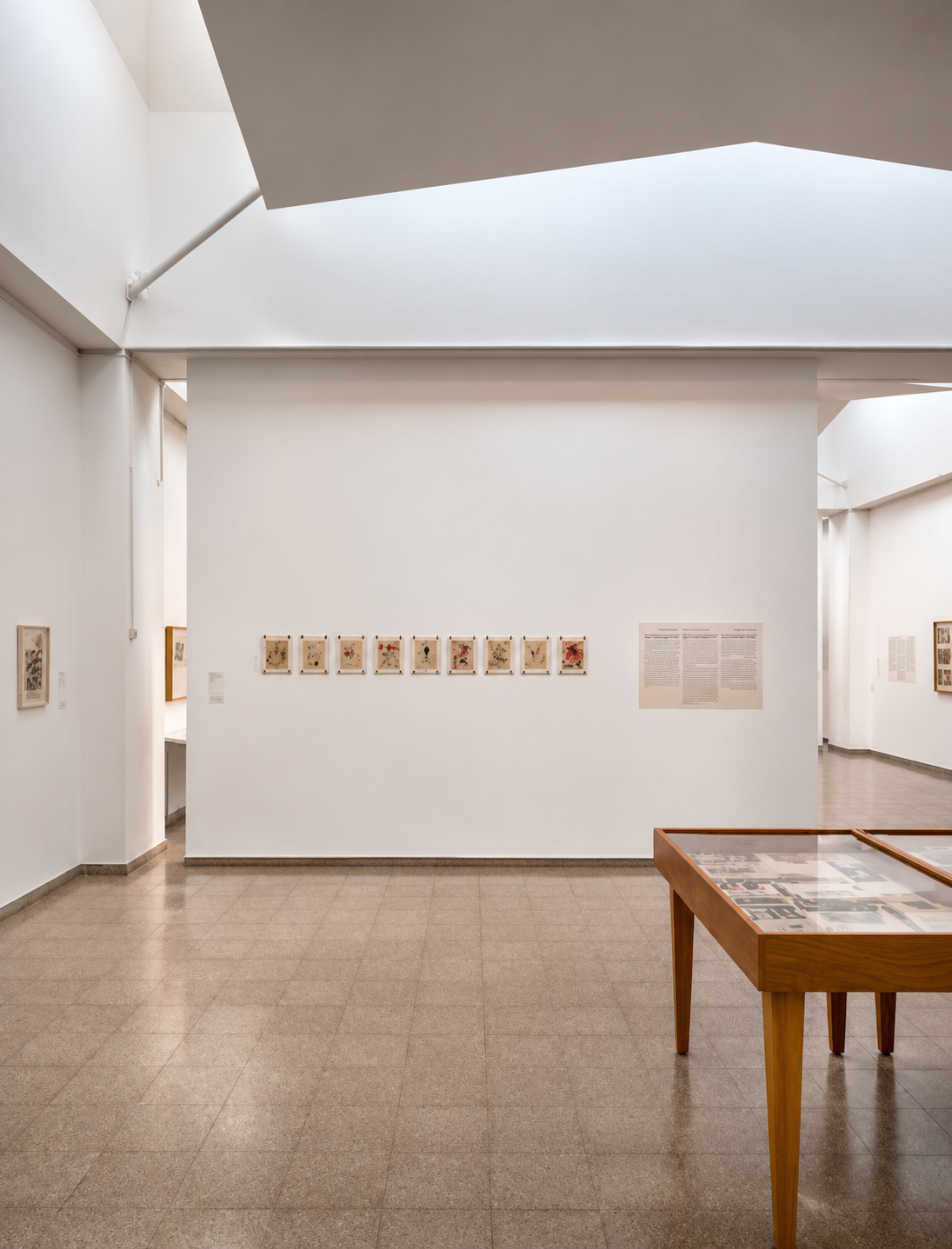
Much has been written about Bickels' masterful manipulation of natural light, the proportions of the galleries, and the remarkable conditions he created for the contemplation of art. But what continues to interest me is something more fundamental: the relationship between architecture and the cultural values from which it emerges.
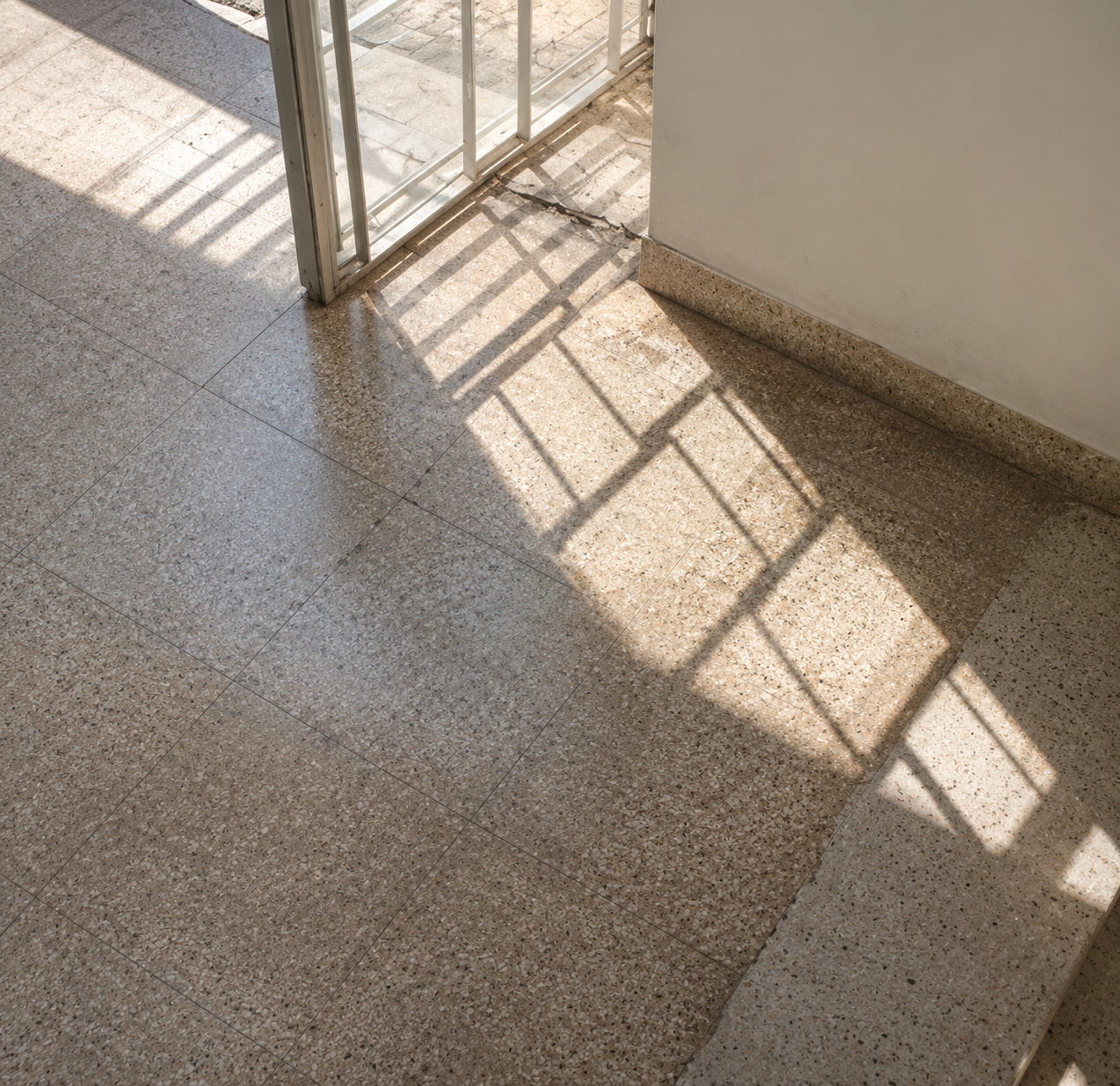
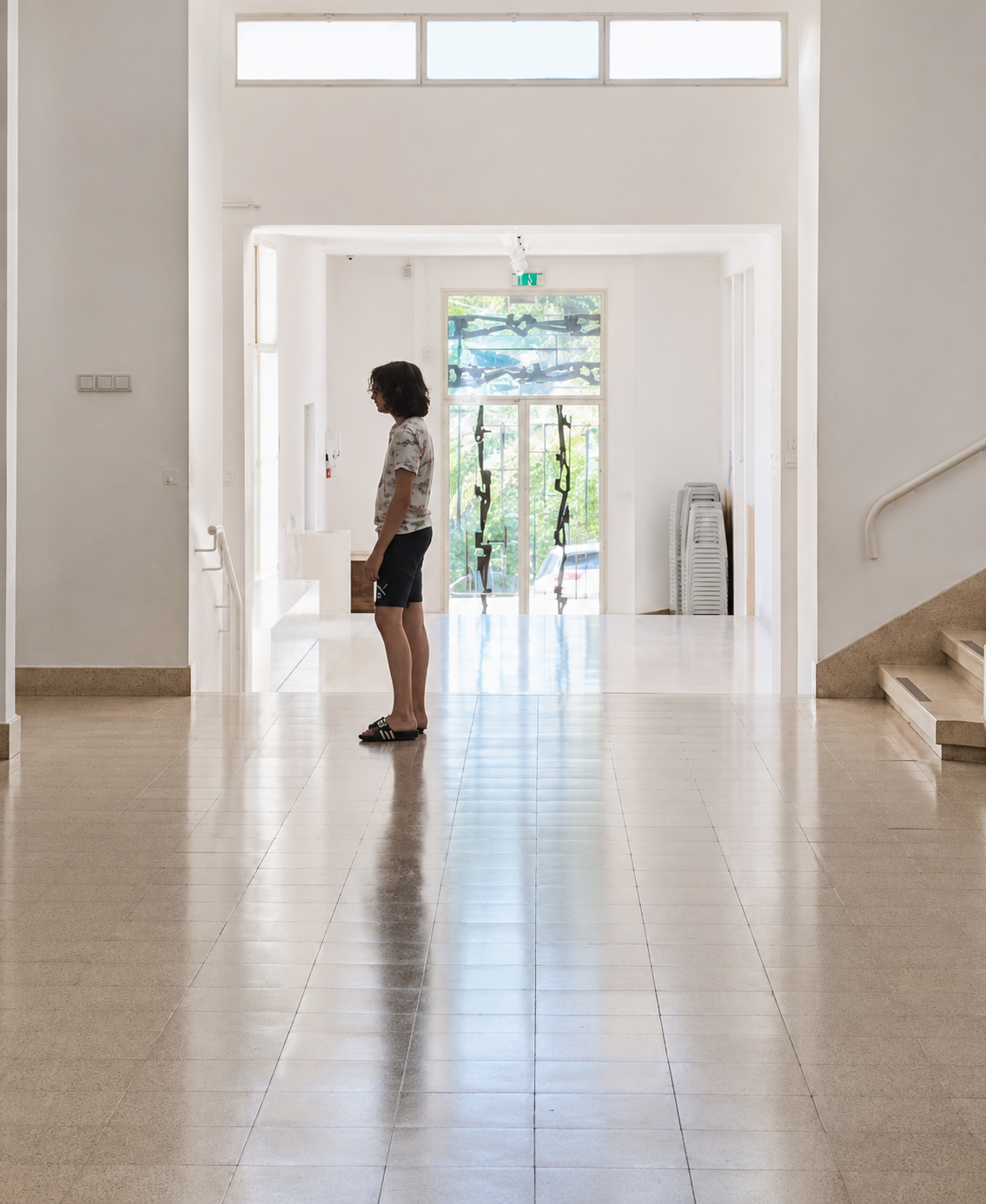
The Mishkan was not conceived as an expression of wealth, institutional power, or architectural spectacle. It arose from a collective conviction that art and culture were essential to the formation of a society. Its architectural quality was achieved not despite the limitations of its time, but in meaningful dialogue with them. Economy of means became clarity of expression. The ordinary materials, the terrazzo floors, the white plaster walls, and the restrained detailing acquired a dignity that no extravagance could have provided.
There is perhaps a quiet criticism of our own time embedded in this building. Contemporary Israel possesses resources, technologies, and construction capabilities that would have been unimaginable to the generation that built Ein Harod. Yet material abundance does not necessarily produce cultural depth. We have become increasingly capable of constructing buildings, while perhaps becoming less certain of the values they are intended to embody.
What makes the Mishkan particularly moving is its endurance. Architecture exists not only in the moment of its construction but across generations. The familiar terrazzo beneath our feet, the modest white surfaces, the measured sequence of rooms — these are not simply remnants of another period. They allow the past to remain present without becoming nostalgia. The building continues to accommodate contemporary art and contemporary life, while carrying within its material fabric the aspirations of those who first imagined it.
In this sense, the Mishkan reminds us that architecture is not merely the provision of shelter, nor the manifestation of economic power. At its most meaningful, it gives physical form to a society's cultural convictions and allows those convictions to endure beyond the circumstances of their creation.
Perhaps the true measure of architecture is not what a society can afford to build, but what it believes is worth building.